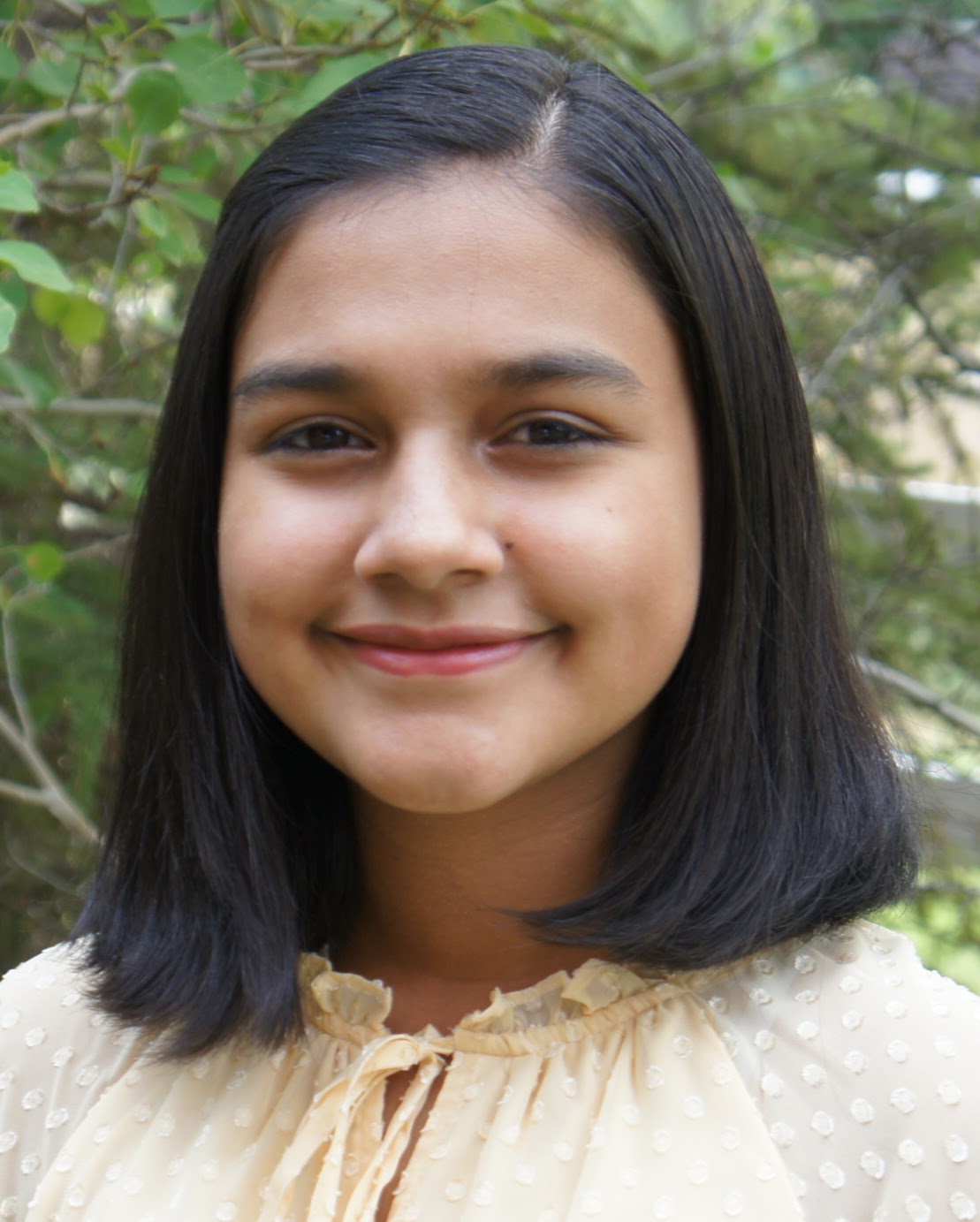
Gitanjali Rao — TIME Kid of the Year, 2020. Photo: TIME Magazine.
Gitanjali Rao grew up watching the news. Most kids her age tuned it out. She didn't. When she was 10 years old, she watched the coverage of the Flint, Michigan water crisis — a city where 100,000 residents, many of them children, were exposed to dangerously high levels of lead because of a government decision to change the water source. Lead poisoning causes irreversible brain damage, especially in children. The story didn't leave her.
The existing tests for lead in water were slow, expensive, and required trained technicians. Gitanjali, then a student in Colorado with no formal engineering training, started reading research papers about carbon nanotube technology — the kind of reading most adults wouldn't attempt, let alone an elementary schooler. She had an idea. And she decided to build it.
"I don't look like your typical scientist — and that's exactly the point. Innovation doesn't have an age limit or a face."
The device she created is called Tethys — named after the Greek goddess of fresh water. It uses carbon nanotube technology to detect lead levels in water in a fraction of the time existing tests require, and at a fraction of the cost. At 11 years old, she entered it into the 3M Young Scientist Challenge. She won.
She didn't stop there. Gitanjali went on to develop Kindly, an AI-powered app designed to detect and interrupt cyberbullying before harmful messages are sent. She noticed that most anti-bullying tools were reactive — they flagged what had already been said. Kindly analyzes the sentiment of a message before it's posted and prompts the sender to reconsider. The technology uses machine learning trained on thousands of examples, built by a teenager who had just started middle school.
In 2020, TIME Magazine named Gitanjali their first-ever Kid of the Year — a cover story seen by millions. She has given a TED Talk, spoken at the United Nations, and been recognized by the American Association for the Advancement of Science, the EPA, and NASA. She now attends MIT, where she continues developing new technologies to address global health and equity challenges.
What Gitanjali's story makes clear is not just that she is exceptional — it's that she was always exceptional, long before any adult recognized it. The achievements came from curiosity that was there at age 10, when she decided a water crisis was her problem to solve. The question adults should ask is: how many other kids like her are sitting in classrooms right now, waiting for someone to take their ideas seriously?